

BKI Blog
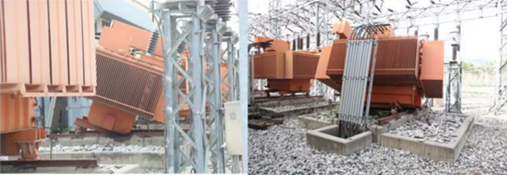
Seismic Resiliency Consideration for Utilities By Scott Howard, P.E., Waypoint Seismic and BKI Engineering Services Natural Disasters Drive Reliability and Resilience Efforts for Utilities With the rise in natural disasters nationally, communities are increasingly dependent on electric utilities to maintain the electrical grid’s reliability and resiliency. Recent hurricanes in the East are a stark reminder
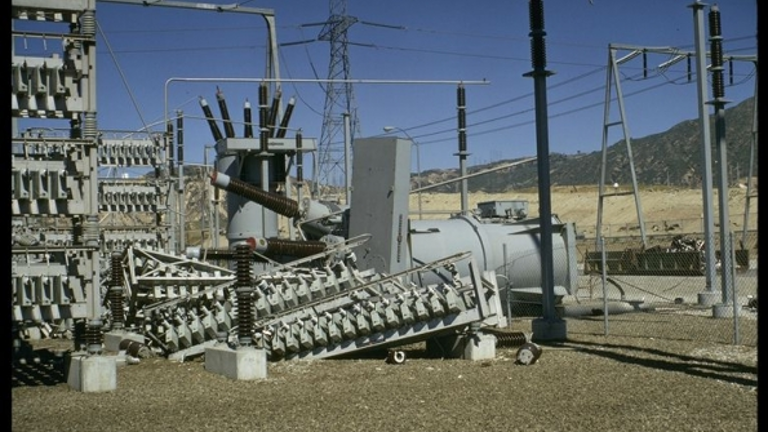
By Scott Howard, PE, Principal of Waypoint Engineering and Peter Grushevskiy, EIT, Civil Engineering, Environmental & Planning Specialist at BKI Reliable and Resilient Systems are a Must Power providers are trusted by our communities to maintain both the reliability and resiliency of the electrical grid. As an infrastructure lifeline, the electrical grid stands at the
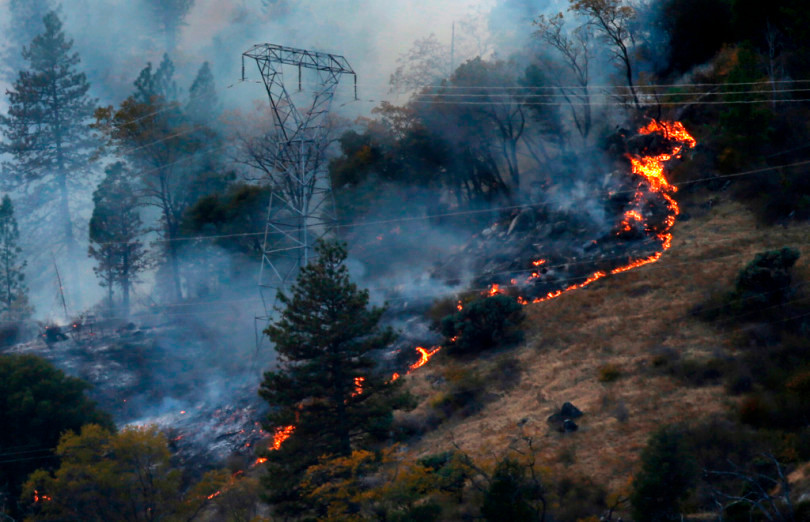
By Scott M. Lindsay Wildfires are dominating discussions among our partner utilities these days. For all the reasons you already know, wildfire preparedness and mitigation has become a top priority for electric utilities in the West. California on the Burning Edge of Wildfire Policy As history has shown, California is typically the first state to

Jim Guess, P.E. Drone LiDAR for Distribution Design: Thanks to the continued advancements in Unmanned Aerial Vehicle (UAV) technology, our industry is seeing more and more applications where utilizing a drone is a cost-effective solution for current utility needs. Drones have been utilized in our industry for everything from line patrol to line inspection with
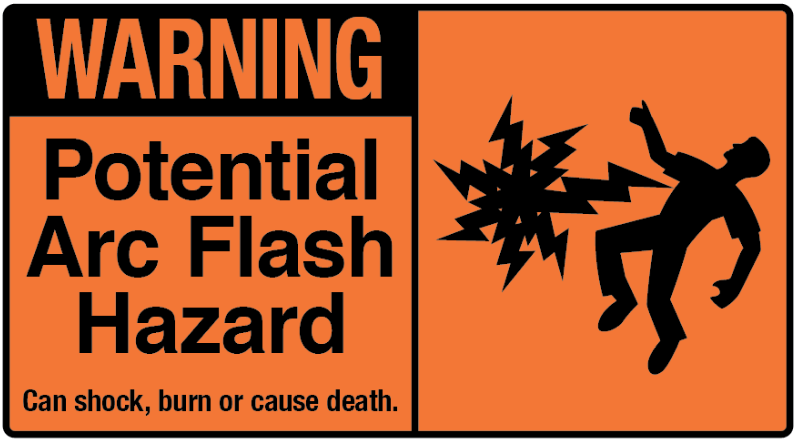
By Guy Colpron, P.E., Director of Design The 2018 revised IEEE 1584 standard has introduced a new, empirically derived, arc flash model to calculate the incident energy of arc flash events. Researchers also developed two additional electrode configurations to accurately calculate the arc flash energy in previously unmodelled configurations. While the original standard was established
By Guy Colpron, P.E., Director of Design The introduction of microprocessor-based protective relaying in the 1990s has changed the power industry. Electrical networks are now more secure and reliable than ever before. Over the years, manufactures have continued to improve functionality while making the equipment more cost effective. Microprocessors Enable Increased Relay Functionality Microprocessor based
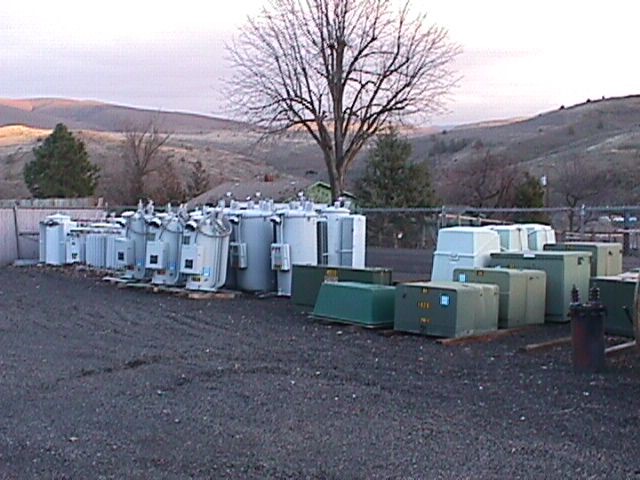
By Byron Woltersdorf, P.E., Director of Civil Engineering Services What Does SPCC plan stand for? Spill Prevention, Control and Countermeasure plan, which is a federal regulation that is used to prevent oil from entering navigable waters through the prevention, control and mitigation of oil spills. What federal agencies regulate oil spills? The Environmental Protection Agency